
노리밋시티 추천 게임 10개 – 지원하는 플랫폼 정보
하드코어 게이머를 위한 슬롯, 노리밋시티(Nolimit City) 탐구
현대 온라인 카지노 시장에서 노리밋시티 슬롯은 기존 슬롯 게임들이 가지고 있던 수학적, 시각적 한계를 완전히 박살 내버린 하드코어 유저들의 성지로 평가받고 있습니다. 일반적인 게임 개발사들이 대중적인 성공과 무난한 승률을 위해 귀여운 과일이나 달콤한 사탕 테마를 찍어낼 때, 이들은 과감하게 연쇄살인마, 부패한 교도소, 정신병원 등 사회적으로 금기시되는 어두운 다크 테마를 전면에 내세웠습니다. 더불어 업계 최초로 ‘Extreme(극강)’이라는 단어로도 부족한 역대급 슬롯 변동성을 대중화시키며 하이롤러 전문 슬롯 공급사로서 독보적인 입지를 구축했습니다. 지난 2022년, 라이브 카지노의 거장인 에볼루션(Evolution) 카지노 그룹에 전격 인수된 이후부터는 전 세계 2,000개 이상의 메이저 온라인 카지노에 안정적으로 게임을 공급하며 고변동성 슬롯 섹터 점유율 1위를 굳건히 수성하고 있습니다.
노리밋시티 슬롯을 지원하는 플랫폼 정보
1위. 원엑스벳(1XBET) — 압도적 게임 수와 토너먼트의 제왕
1XBET은 퀴라소(Curacao) 정부의 공식 e게이밍 라이선스를 바탕으로 무려 120개 이상의 노리밋시티 전용 타이틀 라인업을 빈틈없이 제공하는 초대형 노리밋시티 슬롯사이트입니다. 이곳을 노리밋시티 하는곳으로 가장 먼저 추천하는 이유는 단연 NLC 공급사 전용 슬롯 토너먼트가 상시로 개최된다는 점 때문인데, 유저는 단순히 스핀을 돌리는 것을 넘어 리더보드 이벤트 미션을 수행하며 타 유저들과 경쟁하고, 순위에 따라 막대한 상금이나 추가 캐시백을 챙길 수 있습니다.
게임 자체의 RTP가 투명하게 명시되어 있으며, 웰컴 보너스의 롤링 가중치가 슬롯 게임에 매우 관대하게 적용되기 때문에 하이롤러는 물론 소액으로 극강의 변동성을 안전하게 맛보고 싶은 슬롯 입문자들에게도 최적의 환경을 제공합니다. 무료 플레이가 가능한 데모 모드 역시 완벽하게 지원되어 실전 투입 전 충분한 경험을 할 수 있다는 것도 장점입니다.
2위. 위고88(WEGO88) — 실시간 RTP 추적 기반 소셜 슬롯사이트
WEGO88은 필리핀 PAGCOR 정식 라이선스를 기반으로 합법적으로 운영되며 슬롯 유저들에게 투명성을 극대화한 플랫폼으로 정평이 나 있습니다. 가장 큰 특징은 노리밋시티 슬롯사이트 중에서도 드물게 특정 게임에 대한 ‘실시간 RTP(환수율) 추적 시스템’을 대시보드에 제공한다는 것인데, 이를 통해 유저는 현재 어떤 게임의 히트 빈도가 높게 나오고 있는지 실시간으로 파악할 수 있습니다.
또한 고액 잭팟이 터졌을 때 유저 간 기록을 실시간으로 공유하고 축하금을 나누는 소셜 베팅 리더보드 기능이 탑재되어 있어, 외롭고 기계적인 스핀 반복에서 벗어나 묘한 경쟁심과 연대감을 동시에 느낄 수 있습니다. 노리밋시티 정품 페어 플레이 인증은 물론, 주기적인 리베이트 보너스와 데모 모드를 지원하여 슬롯의 극한 변동성을 무료로 체험해볼 수 있습니다.
3위. 1WIN — 노리밋시티 신작 48시간 사전 접속 권한 제공
1WIN은 영국 도박위원회(UKGC)와 지브롤터 도박위원회의 이중 라이선스를 보유한 유럽계 슬롯사이트로, 보안과 페어 플레이 면에서 업계 최고 수준을 자랑합니다. 노리밋시티 게임은 Hacksaw Gaming, Pragmatic Play와 함께 주요 RNG 공급사 포트폴리오에 포함되어 있으며, Deadwood, San Quentin xWays, Punk Rocker 등 클래식한 타이틀부터 최신작까지 고르게 제공됩니다. 노리밋시티 인기 슬롯의 신작이 글로벌 시장에 공식 출시될 때, 타 사이트보다 무려 최대 48시간 먼저 게임을 플레이해 볼 수 있는 ‘Pre-access(사전 접속)’ 권한을 독점적으로 지원하기 때문에 노리밋시티 특유의 복잡한 페이라인 구조와 xSplit, xWays 같은 까다로운 수학적 메커니즘을 남들보다 먼저 튜토리얼을 통해 파악하고, 데모 모드로 히트 빈도를 충분히 분석한 뒤 실전에 임할 수 있다는 엄청난 전략적 우위를 제공하는 곳입니다.
4. 노리밋시티 슬롯 사이트 TOP3 비교표
| 항목 | 1XBET | WEGO88 | 1WIN |
|---|---|---|---|
| 공식 라이선스 및 RNG 인증 | 퀴라소 라이선스, GLI 정품 인증 | 필리핀 PAGCOR 라이선스, 페어 플레이 인증 | 퀴라소 라이선스, 엄격한 GLI 검증 통과 |
| 공급사 및 종류 | 120개 이상 타이틀, 하이롤러/클래식 라인업 완비 | 주요 인기작 및 최신작 실시간 업데이트 | 신작 게임 최대 48시간 사전 접속(Pre-access) |
| 게임 구조 및 RTP 투명성 | 투명한 페이라인 제공, 고변동성/보너스 구조 최적화 | 실시간 RTP 추적 시스템 탑재, 히트 빈도 분석 용이 | 복잡한 수학적 메커니즘 튜토리얼 최적화 지원 |
| 경쟁 및 소셜 기능 | NLC 전용 슬롯 토너먼트, 주간 리더보드 이벤트 | 유저 간 잭팟 공유 ‘소셜 베팅 리더보드’ 미션 | 미션 기반 보상, 신작 출시 기념 토너먼트 |
| 보너스 및 데모 지원 | 웰컴 보너스 가중치 관대, 데모(무료 플레이) 완벽 지원 | 리베이트 축하 보너스, 데모(무료 플레이) 지원 | 주간 캐시백 프로모션, 데모(무료 플레이) 완벽 지원 |
노리밋시티 vs 프라그마틱 플레이 슬롯의 차이점

왜 유저들이 기존 인기 브랜드인 프라그마틱에서 노리밋시티로 대거 이동할까요? 단순히 질려서만은 아닙니다. 압도적인 당첨금과 신선한 충격이 기존의 한계를 부숴버렸기 때문입니다.
1. 한계를 돌파한 최대 당첨 배수 (Max Win)
프라그마틱의 대표작들은 대개 5,000배 전후의 최대 당첨 배수를 제시합니다. Sweet Bonanza나 Gates of Olympus를 떠올려 보십시오. 분명히 재미있고, 멀티플라이어의 쾌감도 확실합니다. 하지만 노리밋시티는 이 숫자를 아예 다른 차원으로 끌어올립니다. Tombstone Slaughter는 500,000배. Tombstone R.I.P는 300,000배. San Quentin 2: Death Row는 200,000배입니다. 이건 단순한 숫자 놀음이 아닙니다. 프라그마틱 슬롯과 비교했을 때 노리밋시티의 최대 당첨 배수는 실제로 유저들의 뇌리에 ‘한 번이라도 터지면 인생이 달라진다’는 확신을 심어줍니다. 물론 그만큼 히트 빈도는 극도로 낮습니다. 하지만 하이롤러들에게 이 ‘극히 낮은 확률’은 오히려 매력으로 작용합니다. 프라그마틱에서 만족할 수 없는 갈증을 노리밋시티가 해결해 주는 것입니다.
2. 뻔한 룰을 거부하는 독창적 게임성
프라그마틱은 멀티플라이어와 캐스케이드 방식으로 시장을 장악했습니다. 이 방식은 직관적이고 중독성이 강합니다. 하지만 100번째 스핀을 돌릴 때쯤이면 패턴이 눈에 익습니다. 반면 노리밋시티는 xWays 메커니즘을 비롯해 xNudge, xSplit, xBomb 같은 독자적인 시스템을 매 게임마다 변주해 적용합니다. xWays는 고정된 릴 위에 예측 불가능한 심볼 확장을 덧입혀 페이라인을 순식간에 늘리고, xNudge는 와일드 심볼이 릴 전체를 채울 때까지 밀어내며 멀티플라이어를 중첩시킵니다. 이런 독창적 슬롯 메커니즘은 단순 스핀 반복을 넘어 매 순간 새로운 퍼즐을 푸는 듯한 재미를 줍니다. 그리고 이 재미는 높은 성공 확률과 직결됩니다. 왜냐하면 기존에 없던 방식으로 당첨 조합이 만들어지기 때문입니다.
3. 에볼루션 카지노와의 시너지 효과
2022년 에볼루션이 Nolimit City를 최대 3억 4천만 유로에 인수한 사실은 업계에 큰 반향을 낳았습니다. 라이브 카지노 1위인 에볼루션과의 결합은 단순한 자산 확장이 아니었으며, 에볼루션의 글로벌 서버 인프라와 안정성이 노리밋시티의 기술력에 그대로 녹아들면서, 게임 로딩 속도와 실시간 데이터 처리 능력이 획기적으로 개선되었습니다. 예전에는 특정 지역에서 노리밋시티 게임 접속이 원활하지 않거나 보너스 구매 후 지연이 발생하곤 했습니다. 하지만 에볼루션 카지노 협업 이후 서버 안정성은 업계 최고 수준으로 올라섰고, 이는 곧 유저들의 이탈률 감소로 이어졌습니다. 이제 노리밋시티 슬롯게임을 즐길 때 ‘기술적 불편’은 거의 과거의 이야기가 되었습니다.
4. 하이롤러를 만족시키는 극강의 변동성
프라그마틱은 중간 변동성을 기반으로 한 대중적 접근을 택합니다. 이는 더 많은 유저를 끌어들이는 데 효과적입니다. 하지만 진짜 큰 걸 원하는 사람들에게는 다소 답답할 수 있습니다. 노리밋시티는 이 부분에서 확연히 다릅니다. 극강의 변동성을 표방하는 게임들이 줄을 이었고, 이들의 공통점은 ‘적은 기회라도 한번 터지면 확실하게 인생 역전을 선사한다’는 점입니다. 10,000배 이상의 배당이 뜨는 순간은 프라그마틱에서는 상상하기 어려운 구조입니다. 물론 그 사이의 공백은 길고 고통스럽습니다. 하지만 하이롤러 슬롯을 찾는 이들은 이미 그 고통을 각오한 사람들이며, 노리밋시티는 그들의 기대를 배신하지 않습니다.
5. 스토리텔링이 살아있는 몰입형 테마
프라그마틱의 대부분 게임은 과일, 사탕, 그리스 신화 같은 가벼운 테마를 사용합니다. 이는 전 세계 누구나 쉽게 접근할 수 있다는 장점이 있습니다. 하지만 노리밋시티는 과감히 이 범주를 벗어납니다. 교도소의 철창, 서부의 무덤, 정신병원의 복도, 광산의 어둠. 이 다크 테마 슬롯들은 성인 유저들의 호기심을 자극하는 깊이 있는 서사를 지닙니다. Mental의 정신 분열적 연출이나 Tombstone의 무법자적 긴장감은 단순한 그래픽을 넘어 몰입형 카지노 경험을 제공합니다. 게임을 하다 보면 어느새 자신이 그 세계관 속에 빠져 있는 자신을 발견하게 되는데, 이것이 노리밋시티가 프라그마틱과 차별화되는 가장 강력한 무기 중 하나입니다.
극한 변동성의 매력 — 노리밋시티 추천 게임 TOP10
아래 내용은 제가 직접 수백 시간을 쏟아부으며 검증한 노리밋시티 인기 슬롯 10종을 정리한 것입니다. 각 게임의 특징, 페이라인 구조, 보너스 구조, 변동성, 히트 빈도, 인기 이유를 담았으니 참고하시기 바랍니다.
| 순번 | 게임명 | RTP | 변동성 | 최대 당첨 배수 |
|---|---|---|---|---|
| 1 | Tombstone Slaughter | 96.01% | Insane(미친 수준) | 500,000x |
| 2 | Tombstone R.I.P | 96.08% | Insane(미친 수준) | 300,000x |
| 3 | San Quentin 2: Death Row | 96.13% | Insane(미친 수준) | 200,000x |
| 4 | San Quentin xWays | 96.03% | 매우 높음 | 150,000x |
| 5 | Mental 2 | 96.06% | Insane(미친 수준) | 99,999x |
| 6 | Mental | 96.08% | 매우 높음 | 66,666x |
| 7 | Fire in the Hole 3 | 96.05% | 매우 높음 | 70,000x |
| 8 | Serial | 96.07% | 매우 높음 | 74,800x |
| 9 | Road Rage | 96.03% | 높음 | 36,000x |
| 10 | Dead Canary | 96.02% | 매우 높음 | 65,000x |
1. Tombstone Slaughter (2025)
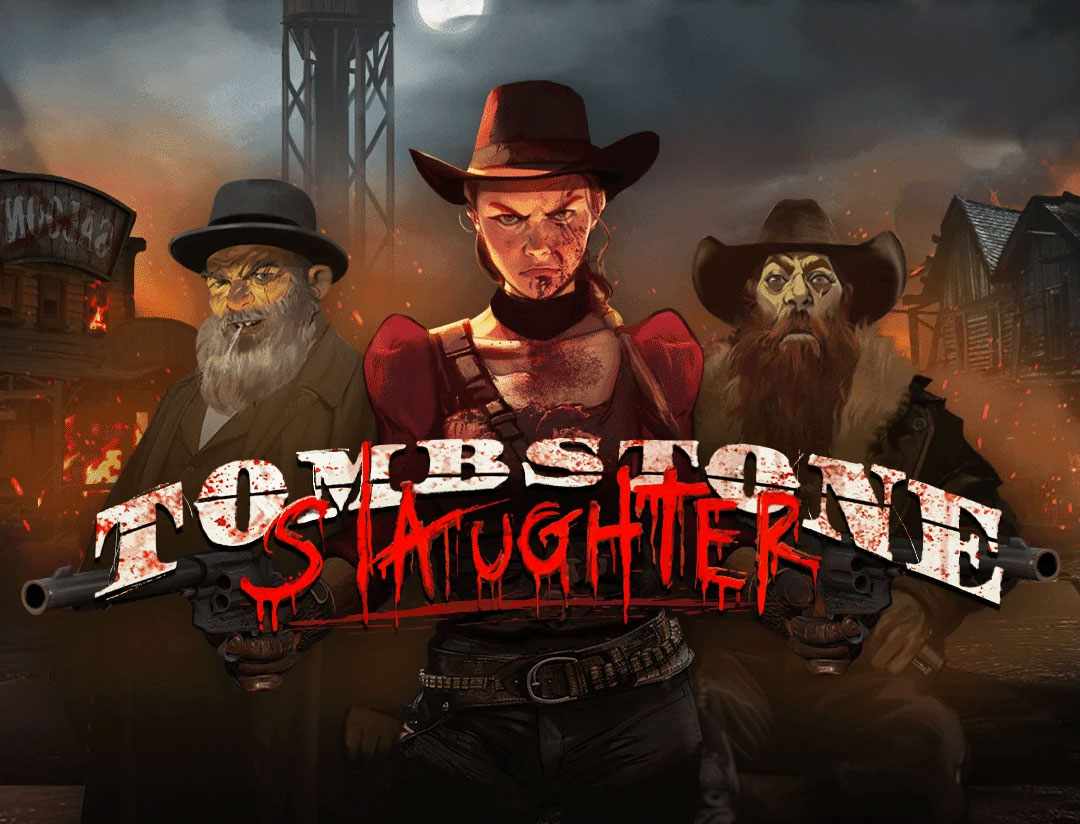
노리밋시티가 2025년에 선보인 서부극의 끝판왕으로서 역대 비잭팟 슬롯 중 최대 당첨 배수 500,000배(이 숫자를 처음 봤을 때 오타인 줄 알았습니다). 2-3-3-3-1의 독특한 그리드 구조에 108개의 페이라인이 자리 잡고 있으며, xNudge와 xSplit이 동시에 작동하는 구조이며, 보너스는 2가지 프리스핀 모드로 나뉘는데, 하나는 멀티플라이어가 고정되는 Bounty Spins이고 다른 하나는 와일드가 누적되는 Gunslinger Spins입니다. 변동성은 12단계 중 12단계로, 노리밋시티 슬롯 중에서도 최정상급입니다. 히트 빈도 9.39%라는 숫자가 말해주듯 건조한 구간은 잔혹하지만, Massacre Spins에서 리볼버가 스티키로 고정되는 순간… 이 게임이 왜 2025년 최고의 출시작으로 불리는지 체감하게 됩니다.
2. Tombstone R.I.P (2021)
Tombstone Slaughter의 전작인 Tombstone R.I.P는 2021년 출시 이후 하드코어 슬롯 팬들의 성경처럼 자리 잡았습니다. 300,000배의 최대 당첨 배수는 당시 업계를 뒤흔든 수치였고, 지금도 여전히 유효한 위용을 발휘합니다. 5릴 구조에 xNudge 스택 와일드와 xSplit 와일드가 핵심 메커니즘이며, xRIP이라는 독특한 시스템이 있습니다. 총 배당이 기본 베팅 이하면 아예 당첨금을 지급하지 않는… 잔인한 규칙입니다. 하지만 Boothill Freespins에서 카우보이 심볼이 매 스핀마다 5배에서 거의 1,000배에 달하는 랜덤 멀티플라이어를 뿌릴 때, 그 잔인함이 정당화됩니다. 히트 빈도가 낮고 변동성은 Insane 등급(12/12)인 만큼 잭팟 슬롯으로 접근해야 합니다. 인내심 있는 플레이어에게만 문을 여는 게임입니다.
3. San Quentin 2: Death Row (2025)
San Quentin의 정식 후속작으로, 2025년 출시와 동시에 노리밋시티 팬들의 기대를 한 몸에 받았습니다. 최대 보안 교도소를 배경으로 한 다크 테마는 전작의 무게감을 그대로 이어받았으며, 1,024개의 페이라인은 전작의 243 ways에서 대폭 확장된 수치입니다. 보너스 구조는 Lockdown Spins를 중심으로 하며, 이 과정에서 Jumping Wilds와 Split Wilds가 교차하여 예측 불가능한 페이라인 폭발을 일으킵니다. 200,000배의 최대 당첨 배수는 전작의 150,000배를 뛰어넘는 기록입니다. 변동성은 12/12로, 이 게임을 즐기기 위해서는 충분한 자금 관리가 필수입니다. 히트 빈도는 극저변동성 게임에 비해 현저히 낮지만, 보너스 진입 시의 긴장감은 노리밋시티 게임 중에서도 최고 수준입니다. 인기 이유는 ‘교도소’라는 소재가 주는 강렬한 몰입감과 함께 전작을 넘어서는 보상 구조에 있습니다.
4. San Quentin xWays (2021)
노리밋시티를 슬롯 역사에 각인시킨 기념비적 타이틀. 5×3 릴에서 시작하지만 xWays 심볼이 4단 스택을 드러내는 순간 130억 개 이상의 승리 경로가 이론적으로 가능해집니다. Lockdown Spins에서 점핑 와일드의 멀티플라이어가 Razor Split을 만나면 2배로 뛰며 최대 512배까지 누적됩니다. 150,000배 최대 당첨이라는 수치는 2021년 당시 잭팟 슬롯을 제외하면 전무후무한 기록이었습니다. 변동성은 Extreme으로 분류되며, 이 게임 하나가 “노리밋시티 = 극한 슬롯“이라는 공식을 만들어냈습니다.
5. Mental 2 (2026)
2026년에 출시된 Mental 2는 전작의 정신병원 테마를 한층 더 깊이 있게 다룹니다. 99,999배의 최대 당첨 배수는 정수로 딱 떨어지는 숫자가 아니라, ‘거의 100,000배’라는 의도적 설정으로 보입니다. 페이라인 구조는 108개로 제한적이나 Fire Frames와 Dead Wilds라는 독자 시스템이 이를 보완합니다. 보너스 구조는 Autopsy Freespins, Lobotomy Freespins, Mental Freespins의 세 단계로 이루어져 있으며, 단계가 올라갈수록 변동성과 보상이 극대화됩니다. 12/12 변동성은 이 게임이 진짜 하드코어만을 위한 게임임을 명시합니다. 히트 빈도는 극히 낮으며, Mental Freespins에 진입하는 순간부터는 거의 모든 것이 운에 맡겨집니다. 인기 이유는 정신병원이라는 소재가 주는 기괴한 미학과 그 안에서도 확실한 보상을 약속하는 구조 때문입니다.
6. Mental (2021)
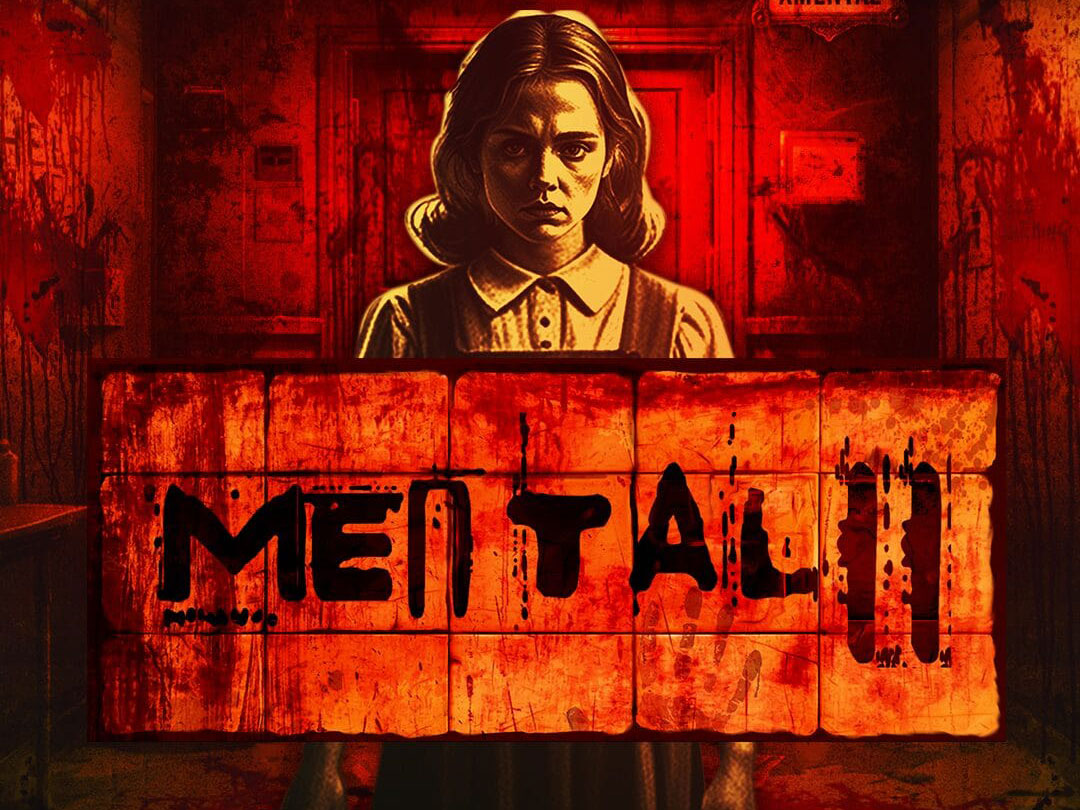
노리밋시티 다크 유니버스의 원점. 66,666배 최대 당첨과 xWays, xNudge, Fire Frame의 조합이 정신병원이라는 테마와 완벽히 맞물립니다. 이 게임이 증명한 건 단순합니다. 슬롯의 테마가 단지 껍데기가 아니라 게임플레이의 긴장감 자체를 결정할 수 있다는 것. Enhancer Cell에서 터지는 xWays가 동일 심볼 스택을 드러낼 때의 쾌감, Surgery Spins에서 Dead Multiplier가 쌓이는 것을 지켜볼 때의 공포… 이 균형감 덕분에 5년이 지난 지금도 노리밋시티 인기 슬롯 상위권을 굳건히 지키고 있습니다.
7. Fire in the Hole 3 (2026)
광산 드워프 시리즈의 최종 진화. 6릴에 3행으로 시작하지만 캐스케이드가 터질 때마다 행이 확장되어 최대 6행, 46,656개 승리 경로까지 열립니다. xBomb 와일드가 폭발하며 인접 심볼을 파괴하고 승수를 올리는 건 시리즈 전통이지만, 이번엔 Lucky Wagon Spins라는 컬렉션 스타일 보너스가 추가되었습니다. 마인카트 위의 인핸서가 동전에 멀티플라이어를 부여하고, Persistent Dwarf가 매 스핀 전체 코인을 수집하는 구조는 기존 슬롯 문법을 완전히 벗어납니다. 70,000배 최대 당첨, 히트 빈도 22.18%. 전작 팬이라면 반드시 경험해야 할 업그레이드입니다.
8. Serial (2022)
연쇄살인범 ‘Bodycam Butcher’를 소재로 한, 노리밋시티 역사상 가장 논쟁적인 타이틀입니다. 5릴 3행(최대 7행 확장)에 243개 이상의 승리 경로를 제공하며, 일반 슬롯과 달리 스티키 리스핀 베이스 메커니즘을 채택해 승리 조합이 연쇄적으로 확장됩니다. xNudge 와일드, xSplit 와일드, xWays와 Infectious xWays가 총동원되며, The Kill 보너스에서 xSplit이 점핑 심볼로 변해 매 스핀 5번 릴을 가로지릅니다. 74,800배 최대 당첨에 히트 빈도 27.59%. 테마의 불쾌함을 견딜 수 있다면 메커니즘 면에서 노리밋시티의 정수를 맛볼 수 있는 작품입니다.
9. Road Rage (2022)
노리밋시티 라인업 중 유일하게 x메커니즘을 사용하지 않는 이색작으로써 5릴 기본 3행(보너스 시 5행 확장)에 99~259개의 승리 경로를 제공합니다. 색상별 와일드 카(노란색: 심볼 확장, 빨간색/초록색: 방향성 멀티플라이어)가 릴을 가로지르며 충돌할 때 멀티플라이어가 합산되는 독특한 구조입니다. 변동성 8/10으로 노리밋시티 기준으로는 “온건한” 편이며, City Mayhem 보너스에서 3대의 스티키 와일드 카가 모두 고정될 때 36,000배의 문이 열립니다. x메커니즘에 피로감을 느끼는 분에게 신선한 대안이 될 수 있습니다.
10. Dead Canary (2022)
광산 카나리아 테마의 진보적 구조 실험. 3-4-3-4-3-4라는 비대칭 6릴 레이아웃에 36~1,728개의 페이라인이 동적으로 변합니다. 배리어를 깨뜨릴수록 행이 확장되고 승리 경로가 늘어나는 진행형 시스템이 핵심입니다. xBomb 와일드가 십자 패턴으로 폭발하며 멀티플라이어를 쌓고, Wild Mining 피처가 대각선 정렬 시 와일드 폭탄을 생성합니다. Golden Canary Free Spins에서 최대 당첨 65,000배의 확률이 1만 1천 분의 1까지 개선되며, 히트 빈도 26.20%로 체감 빈도도 나쁘지 않습니다. 복잡한 메커니즘을 즐기되 Tombstone급 극한 변동성은 부담스러운 분에게 적합합니다.
마치며 (결론)
수십만 배의 잭팟 포텐셜을 품고 있는 노리밋시티 게임을 온전히 즐기기 위해서는 정식 라이선스 취득 여부와 페어 플레이를 보장하는 GLI(Gaming Laboratories International) 등의 정품 RNG 인증 확인이 절대적으로 필수입니다. 만약 기적처럼 십만 배의 배당이 터졌을 때, 환전 지연이나 분할 지급 같은 핑계 없이 즉각적인 출금을 내어줄 수 있는 막강한 자본력을 갖추었는지, 그리고 노리밋시티 슬롯 전용 토너먼트나 캐시백 혜택이 존재하는지를 꼼꼼히 따져봐야 합니다.
검증된 노리밋시티 슬롯사이트에서 데모 모드부터 시작해보시길 권합니다. 제가 드릴 수 있는 마지막 조언은 하나입니다. 잔고 관리 없이 이 게임들에 뛰어들지 마십시오. 극한의 변동성은 양날의 검이고, 그 칼날은 상상 이상으로 날카롭습니다.
FAQ (자주 묻는 질문)
Q. 노리밋시티 슬롯의 RTP가 사이트마다 다를 수 있나요?
다를 수 있습니다. 노리밋시티는 대부분의 게임에 복수의 RTP 버전을 제공하기 때문에 플레이 전에 반드시 해당 슬롯사이트에서 제공하는 RTP가 최상위 버전인지 확인해야 합니다.
Q. 노리밋시티 하는곳은 어디서 찾을 수 있나요?
본문에서 소개한 원엑스벳(1XBET), 위고88(WEGO88), 1WIN이 대표적인 노리밋시티 슬롯사이트입니다. 3곳 모두 정식 라이선스와 RNG 인증을 갖추고 있으며 데모 모드를 지원합니다. 이 외에도 노리밋시티 공식 사이트에서 직접 무료 데모 플레이가 가능하니, 플랫폼 선택 전에 게임을 미리 체험해보시는 것을 추천합니다.